Understanding Soil Types: A Guide to Soil Texture and Gardening Success
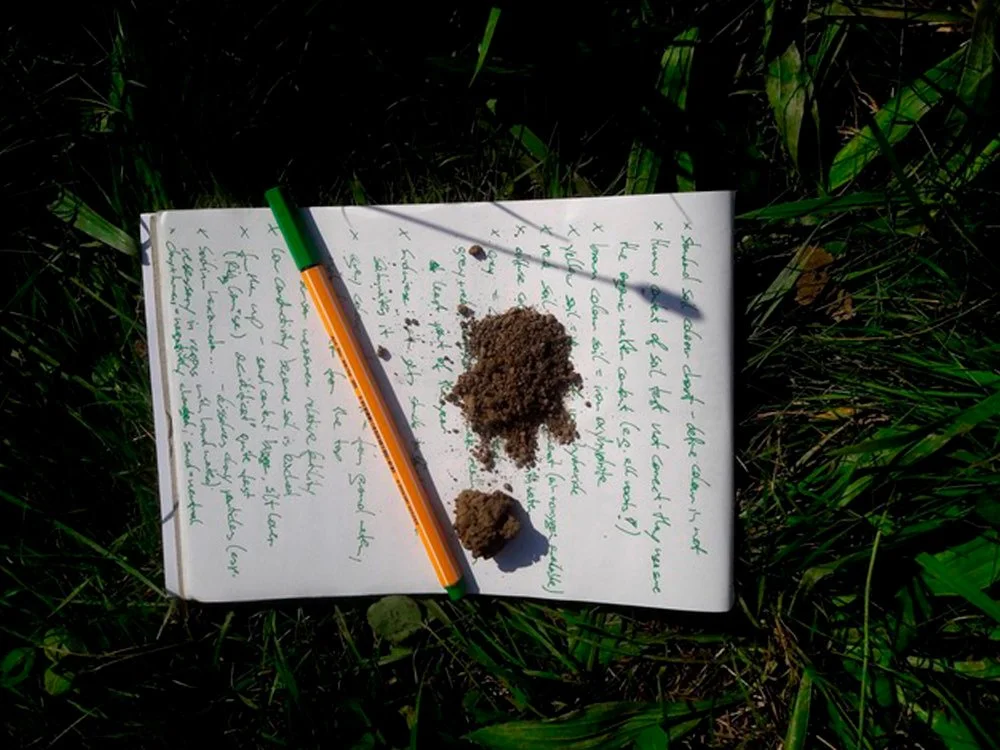
Understanding Soil Texture: A Guide to Better Gardening
How does your soil feel when rolled in your hand? Can you tell sandy loam from fine clay? And what does soil texture mean for your gardening practices? In this article, originally written for Grow Observatory, Victoria J. Burton explains the fundamentals of soil texture, its importance, and how to work with your soil type for better results.
Soil is a mixture of mineral particles (tiny fragments of rock) and organic matter (decomposed plant remains). Depending on the type, soil can range from being nearly all mineral, as in sandy soils, to mostly organic material, like peat. Soil texture refers to the proportions of three mineral particle sizes: sand (the largest), silt (medium-sized), and clay (the smallest). The diagram below illustrates their relative sizes.
In laboratory conditions, soil texture is measured by passing soil samples through sieves with varying mesh sizes and calculating the proportions of sand, silt, and clay. A soil texture triangle can then classify the soil based on these proportions. The triangle used here follows the Food and Agriculture Organization (FAO) classification system, which is straightforward and can also be applied using a simple hand texturing method. Understanding soil texture is crucial because it affects water drainage, nutrient levels, and erosion risks—key factors for successful gardening.
How to Measure Your Soil Texture
Follow these simple steps to identify the texture of your soil:
What you’ll need:
Gardening gloves
A trowel
A ruler or measuring tape
Use the trowel to dig a hole 15 cm deep, measuring the depth with your ruler. Take a soil sample from the side of the hole at this depth.
Break apart the soil sample using your fingers or a spoon, removing stones, gravel, and large pieces of organic matter like leaves or roots. Gloves are recommended for this process.
Hand Texturing Test
To perform a hand texturing test:
Take a handful of soil and add water gradually, kneading it until the soil holds together but doesn’t stick to your hand.
Manipulate the soil in your palm and follow the flowchart below to classify its texture based on how it behaves.
Soil Types and Their Characteristics
Loams
Loam soils are ideal for growing food due to their balanced mix of sand, silt, and clay particles. This balance provides space for air and water, ensuring plant roots have access to both. Loams drain effectively without drying out too quickly and retain nutrients well, making them excellent for most crops.Clays
Clay soils contain very fine particles that compact easily, reducing water penetration and air circulation. These soils are prone to waterlogging, which can suffocate plant roots if left submerged too long. Clay soils also become extremely hard when dry, making them difficult to work with, and water often runs off their surface. On the positive side, clay soils are nutrient-rich. To prevent waterlogging, avoid walking on wet clay soils, and spread your weight using boards when necessary.Sands
Sandy soils consist of large particles with wide gaps, causing water and nutrients to drain quickly. While less fertile and prone to drying out, sandy soils are easy to dig and warm up quickly in spring, making them excellent for early planting.
Working With Your Soil Texture
Soil texture is very stable and can be difficult to change directly except by adding sand, so it’s best to choose crops that grow well in the soil you have. Root vegetables such as carrots and parsnips grow well in soils with more sand and nutrient-hungry plants such as brassicas grow better in soils with more clay. Both sandy and clay soils can be improved by adding more organic matter such as farmyard manure or compost, which creates a more open soil structure, soak up and retain water and nutrients. You could build up organic soils above your existing soil through ‘no dig’ gardening methods.
Improving and Working With Your Soil Texture
Although soil texture is a fixed characteristic that’s difficult to alter significantly, you can improve soil structure with organic matter like compost or manure. Organic materials create a more open structure, retain nutrients, and help the soil absorb and store water more effectively.
Crop Selection by Soil Type:
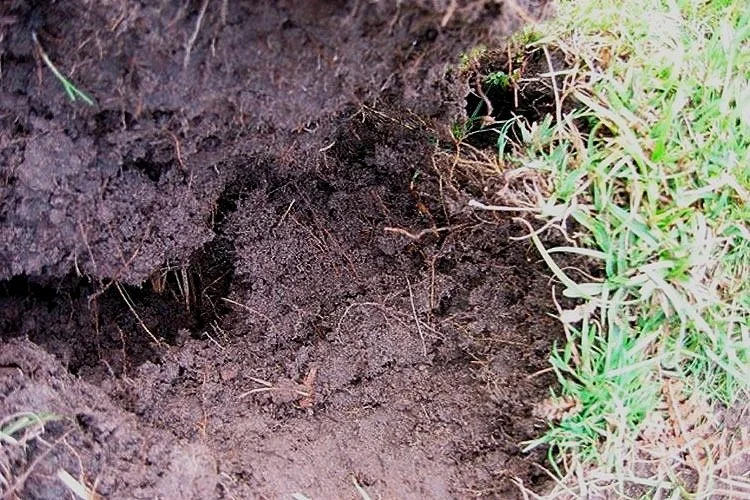
Sandy soils
Ideal for root vegetables like carrots and parsnips.
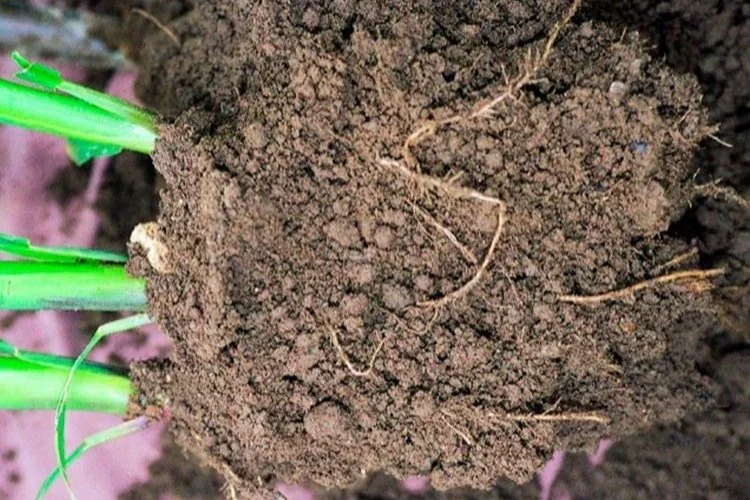
Clay soils
Better suited for nutrient-demanding plants like brassicas.
For an easier approach, consider “no-dig” gardening. This method involves layering organic matter on top of your existing soil, encouraging the development of healthy soil ecosystems without the labor of turning or digging.
Soil Textures in Action
Soil texture has a direct impact on your gardening success. Loam soils offer the best balance for most crops, while sandy and clay soils benefit from specific techniques to unlock their potential. By understanding the unique properties of your soil and learning how to work with it, you can cultivate a thriving garden that supports healthy plant growth and sustainable practices.