The Real Logistics of Seed-to-Fork: What Sourcing Everything from the Estate Actually Requires
It sounds beautiful on a menu. The reality is far more demanding — and far more rewarding.
Seed-to-fork has become one of the most used phrases in luxury hospitality. It appears on websites, in press releases, on beautifully designed menus across the world. And in most cases, it means a hotel sources some of its ingredients from a nearby farm, or grows herbs in a small garden by the kitchen.
At La Donaira, it means something fundamentally different.
It means that the vast majority of what appears on your plate — the vegetables, the meat, the eggs, the olive oil, the honey, the wine — was grown, raised, or produced on our estate in the Serranía de Ronda. It means there is no fixed menu, no standard supplier to call when something runs short, and no separation between what happens in the field and what happens in the kitchen. It means the land decides what you eat.
This is not a marketing choice. It is an operational commitment that shapes every single day at the property — and it is, without question, the hardest and most rewarding way to feed people.
The Morning Conversation Between Kitchen and Land
In a conventional luxury kitchen, the day begins with a prep list based on a set menu. Ingredients arrive from distributors. The chef’s job is execution — precision, consistency, replication.
At La Donaira, the day begins with a different question entirely: what is the farm giving us today?
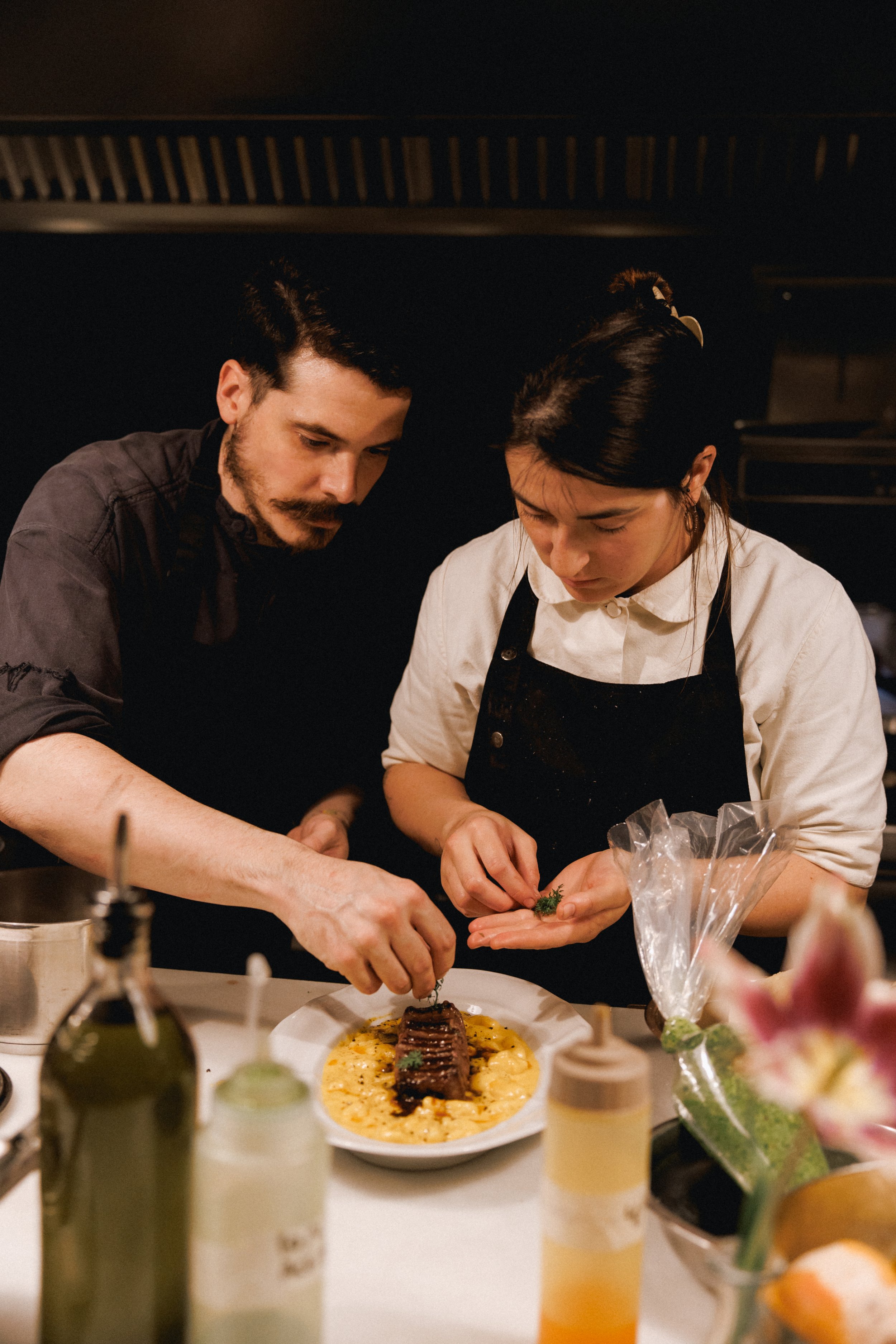
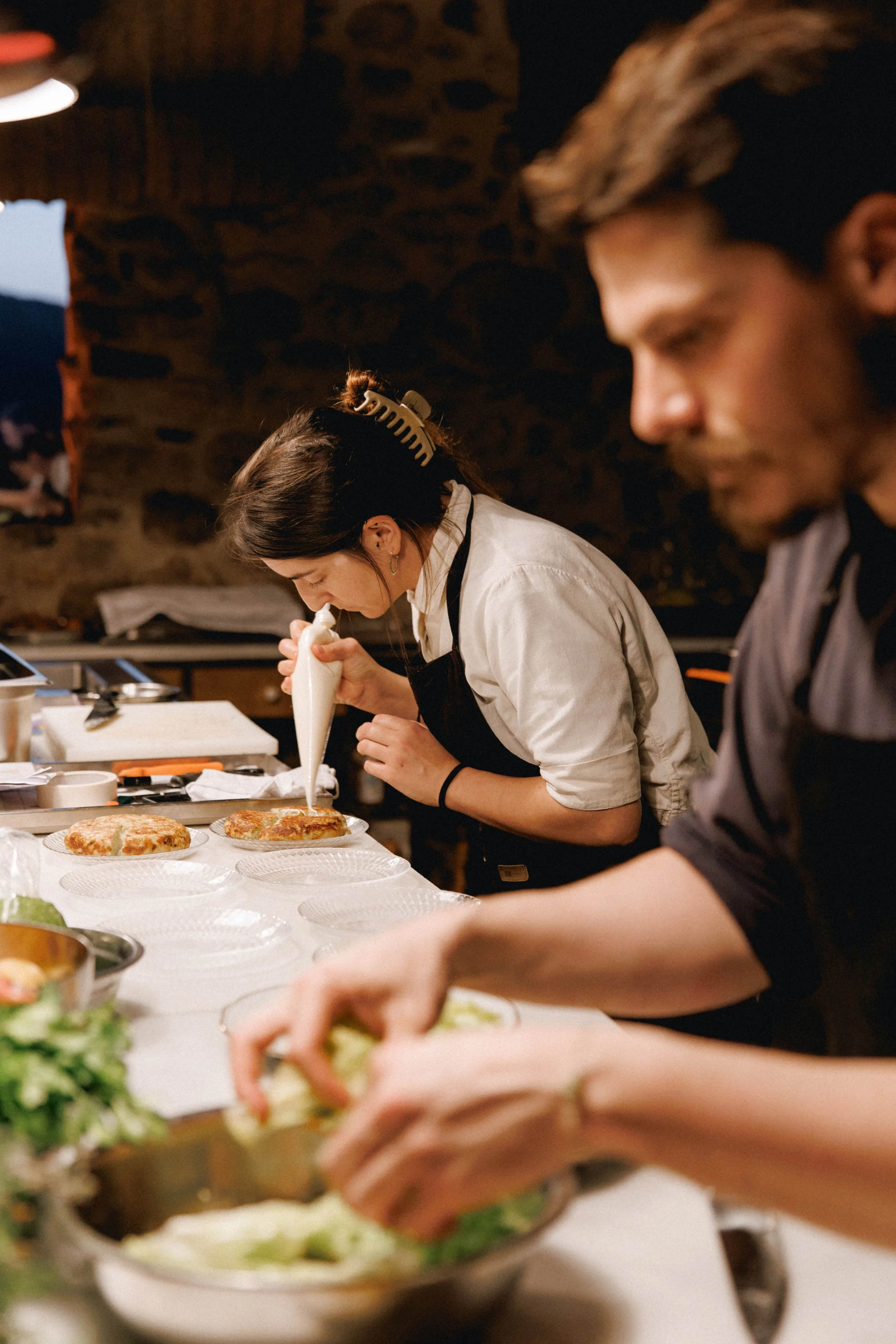
Our head chefs, Manuel Vargas and Nerea Ortiz de Urbina, don’t design a menu and then source ingredients to match. They receive what the land produces that morning and create from there. Every single day. This requires a completely different kind of culinary intelligence — one built on deep knowledge of seasonality, intuitive understanding of flavour combinations, mastery of preservation techniques, and the willingness to abandon what you had planned when the land has other ideas.
Some mornings there is an abundance of courgettes and almost no tomatoes. Other days, the hens produce more eggs than expected, or an early frost changes what the garden can offer. The chefs don’t see this as a limitation. They see it as the creative engine of the kitchen.
What the Estate Actually Produces
To understand the scale of what seed-to-fork requires at La Donaira, it helps to know what the estate encompasses.
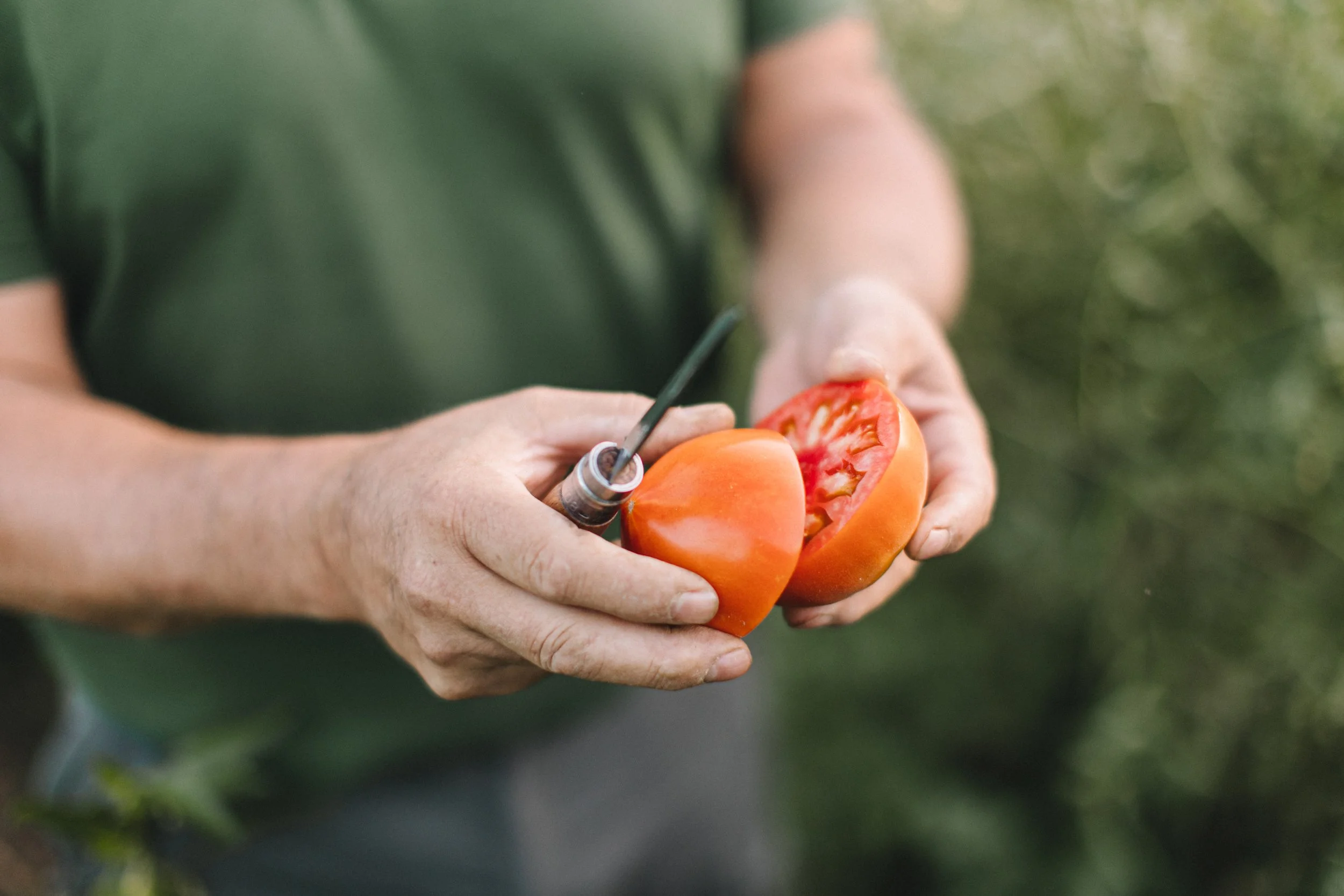
Our vegetable gardens follow biointensive and permaculture methods — growing systems that work with the soil’s natural biology rather than overriding it with synthetic inputs. This produces smaller yields than industrial farming but dramatically higher quality, nutrient density, and flavour. Anyone who has tasted a tomato grown this way knows the difference immediately.
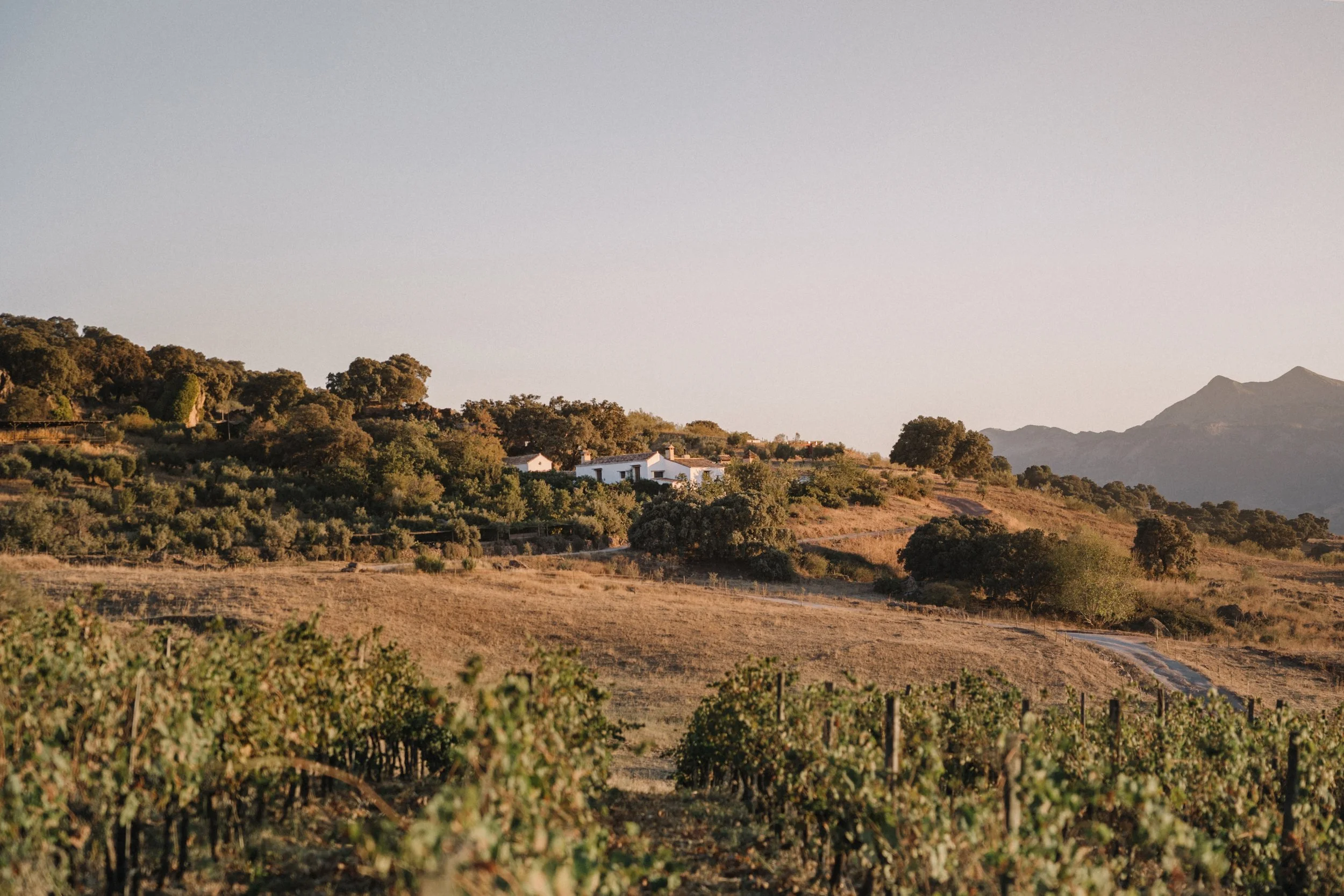
Beyond the gardens, the estate produces its own olive oil from ancient groves, honey from our apiaries, eggs from free-range hens, and meat from livestock that roams freely across the property. Our Roca Viva wines are made from rescued old Andalusian grape varieties grown under biodynamic viticulture practices — a winemaking philosophy that treats the vineyard as a living ecosystem rather than a production facility.
Then there is the medicinal herb garden — over 300 species curated by Gerhard Bodner. These plants serve the kitchen, the spa, and our proprietary product line of soaps, scrubs, and balms. A single garden feeding three different areas of the guest experience.
Nothing exists in isolation. The horses contribute to soil health through natural grazing patterns. The composting systems feed the gardens. The gardens feed the kitchen and the spa. This is what regenerative agriculture looks like when it’s applied to hospitality — a closed loop where every element supports the others.
The Cost Nobody Talks About
The real cost of seed-to-fork is not primarily financial. It is structural.
It demands a kitchen that thinks like a farm and a farm that understands what a kitchen needs. It requires teams that communicate daily — not quarterly, not through a purchasing system, but face to face, every morning. The chef walks the garden. The farmer knows tomorrow’s guest count. The winemaker and the kitchen coordinate on pairings based on what is ready to open, not what is listed on a wine menu designed months ago.
It also demands that everyone — from the kitchen to the guest-facing team — surrenders a degree of control to the rhythms of the land. There is no calling a distributor at 4pm because you ran out of something. There is no defaulting to a signature dish when the ingredients for it simply do not exist that week. There is only what the estate gives you, and the creativity to make it extraordinary.
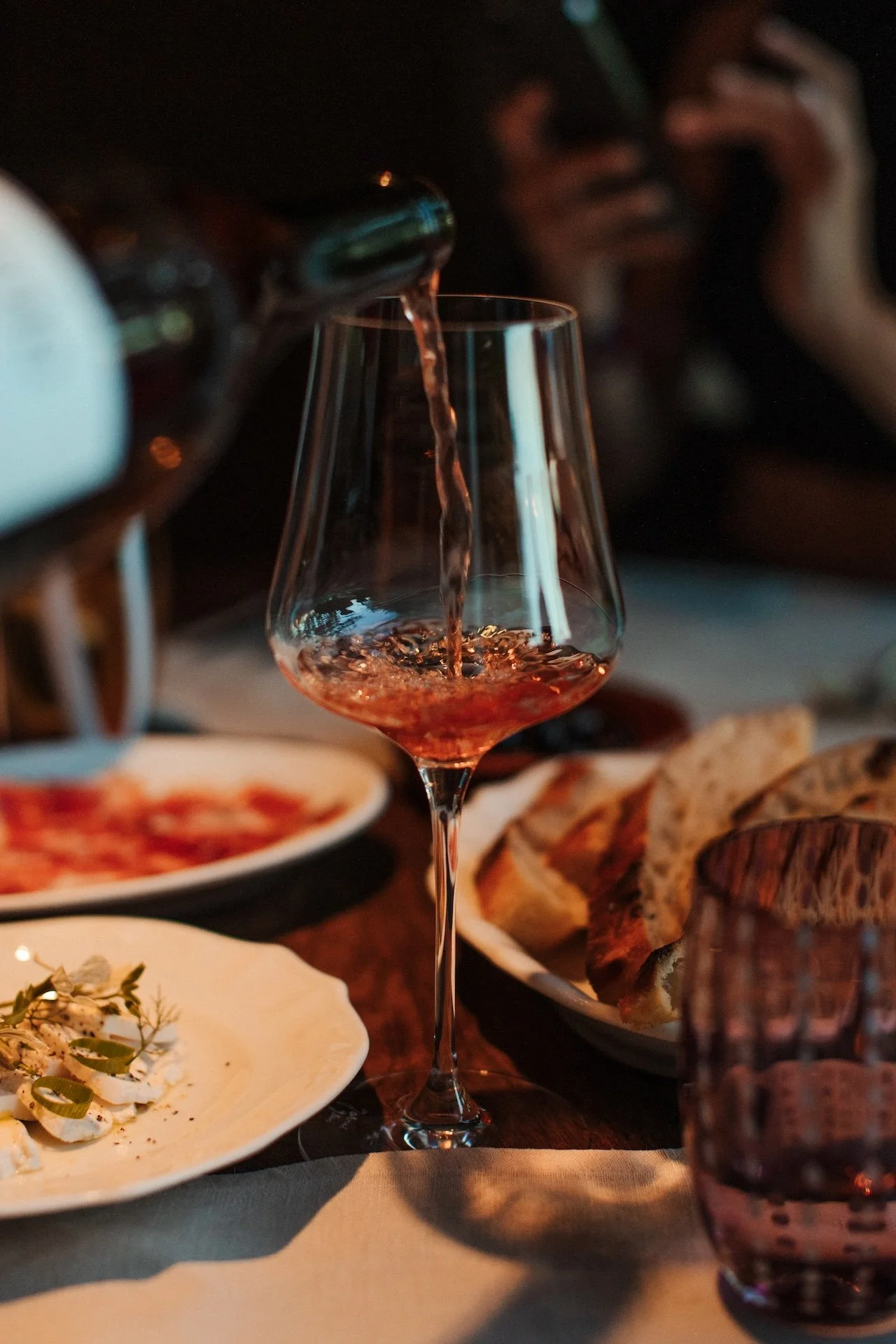
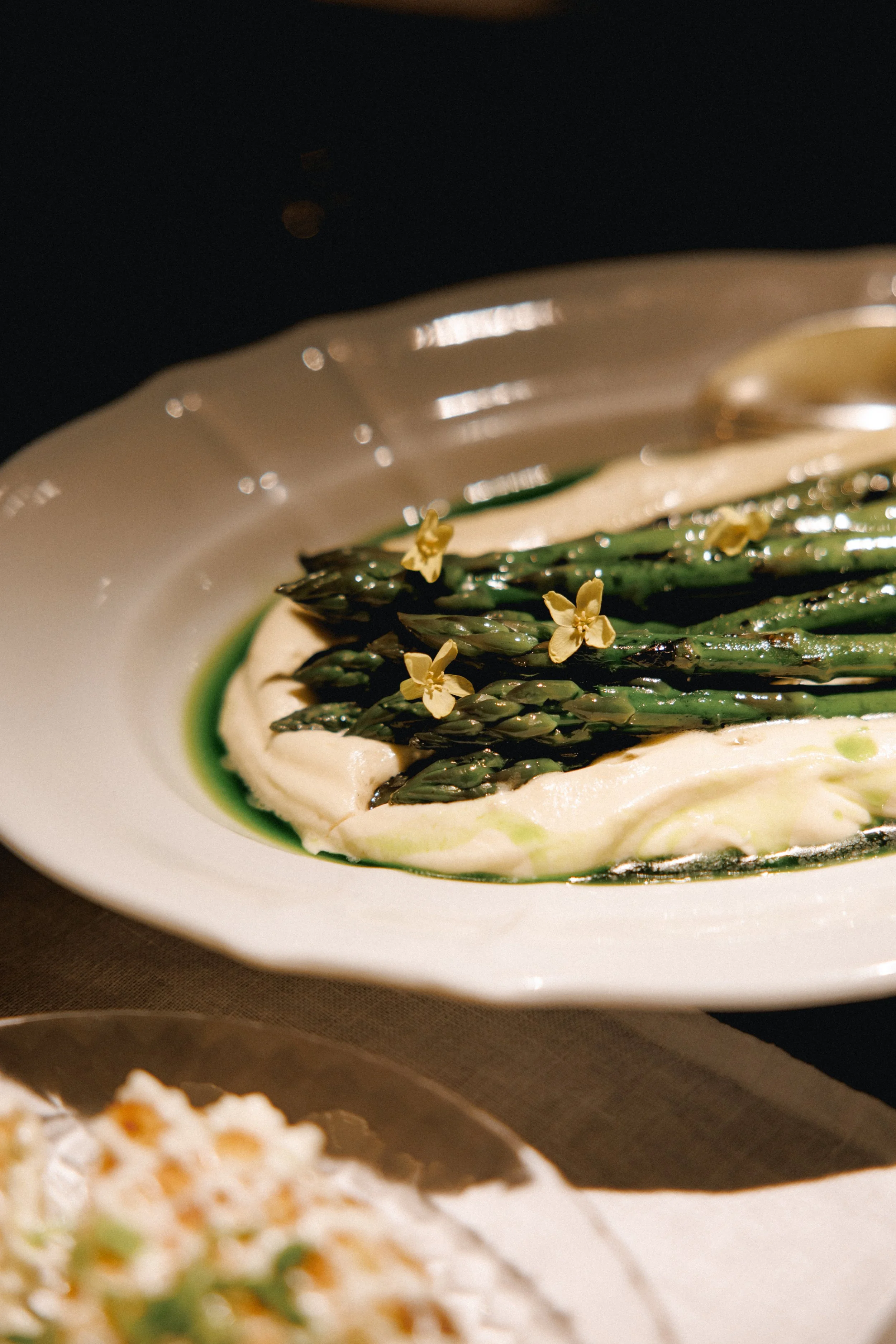
This is why most properties that claim seed-to-fork operate on a spectrum. They might grow herbs, or source one or two ingredients locally, or maintain a small kitchen garden for garnishes. And there is nothing wrong with that — it is a meaningful step. But there is a significant operational difference between supplementing a conventional supply chain with a few estate-grown ingredients and building your entire culinary programme around what the land produces.
Why Imperfection Is the Point
One of the most counterintuitive aspects of true seed-to-fork dining is that it requires embracing imperfection.
A harvest might come early or late. Some weeks produce an abundance of one ingredient and a scarcity of another. The tomatoes decide when they are ready, not the calendar. A frost, a dry spell, an unexpectedly productive week — all of these become part of the menu.
And that is precisely the point.
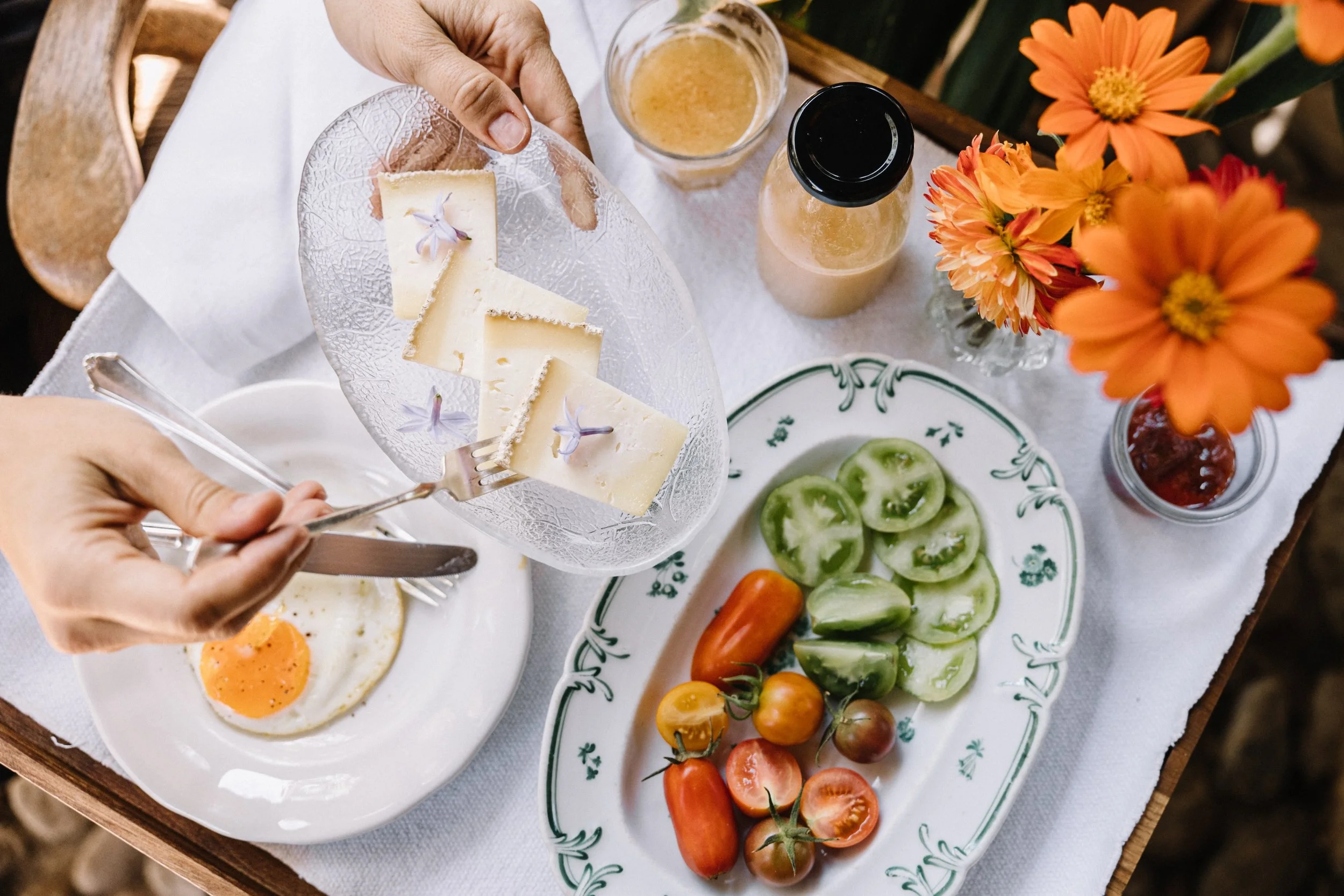
Because when you eat something that was growing fifty metres from your table that morning, picked at its actual peak of ripeness rather than harvested early for transport and shelf life, you taste the difference immediately. No supply chain in the world can replicate the flavour of food that has never seen a truck, a warehouse, or a refrigerated container. Every meal becomes unrepeatable — tied to a specific day, a specific season, a specific moment in the life of the land.
Our guests often describe this as the most memorable part of their stay. Not because the food is elaborate — it is rustic Spanish with Mediterranean touches, honest and unfussy — but because it feels alive in a way that even the finest restaurant menus rarely achieve.
What This Means for the Future of Luxury Hospitality
The conversation in luxury hospitality is shifting. Guests increasingly want to know where their food comes from, how it was produced, and what impact their stay has on the environment. The next generation of luxury travellers will not just ask for a beautiful plate — they will ask what the land looked like before and after.
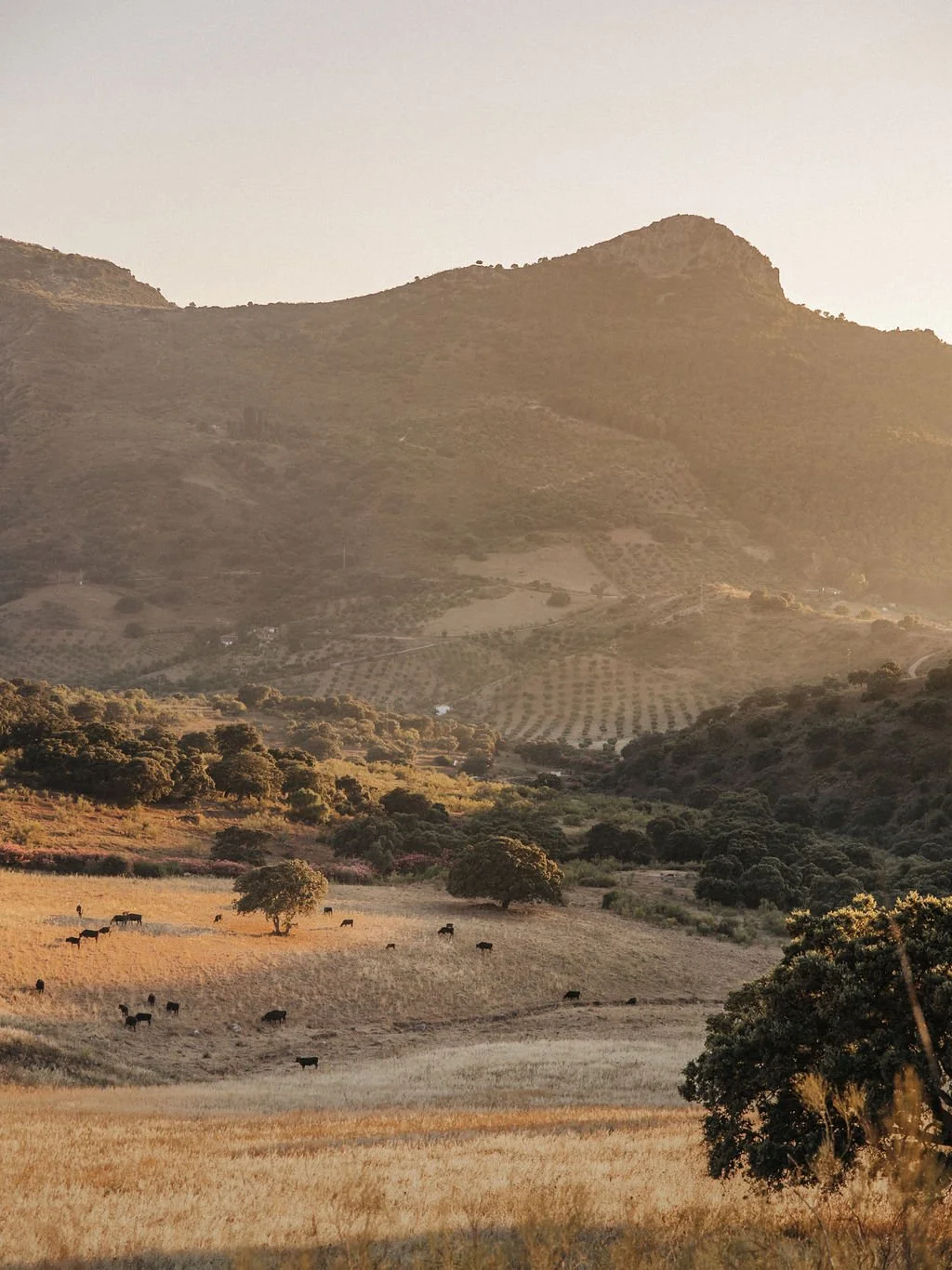
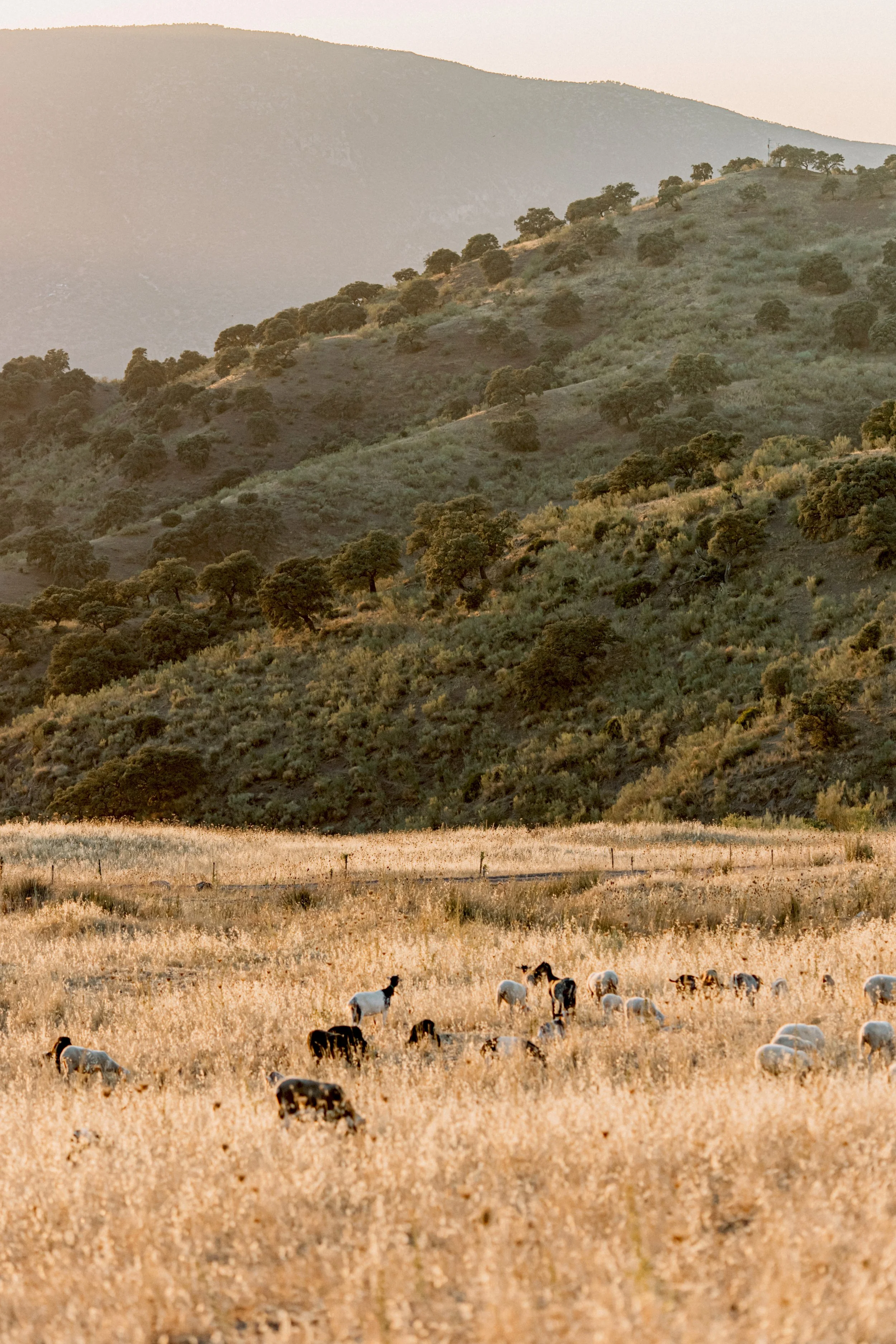
At La Donaira, the answer to that question is the foundation of everything we do. We are not simply trying to minimise our impact. Through regenerative agriculture, biodynamic viticulture, and permaculture practices, we are actively improving the soil, increasing biodiversity, and building an ecosystem that becomes more resilient and productive with each passing year.
Seed-to-fork, when practised fully, is not a feature to list on a website. It is a commitment that transforms how a property operates from the ground up — literally. It is slower, less predictable, and impossible to standardise. It requires patience, trust, and a willingness to let the land lead.
We think that is exactly what makes it worth doing.
Experience Seed-to-Fork at La Donaira
Every stay at La Donaira includes daily-changing menus crafted entirely from what the estate produces. Guests can visit the vegetable gardens, walk the olive groves, meet the animals, and see firsthand how everything on their plate connects to the land around them.
To learn more about the experience or to enquire about availability, visit ladonaira.com or contact us at info@ladonaira.com