Why Curated Experiences Turn a Stay into a Story
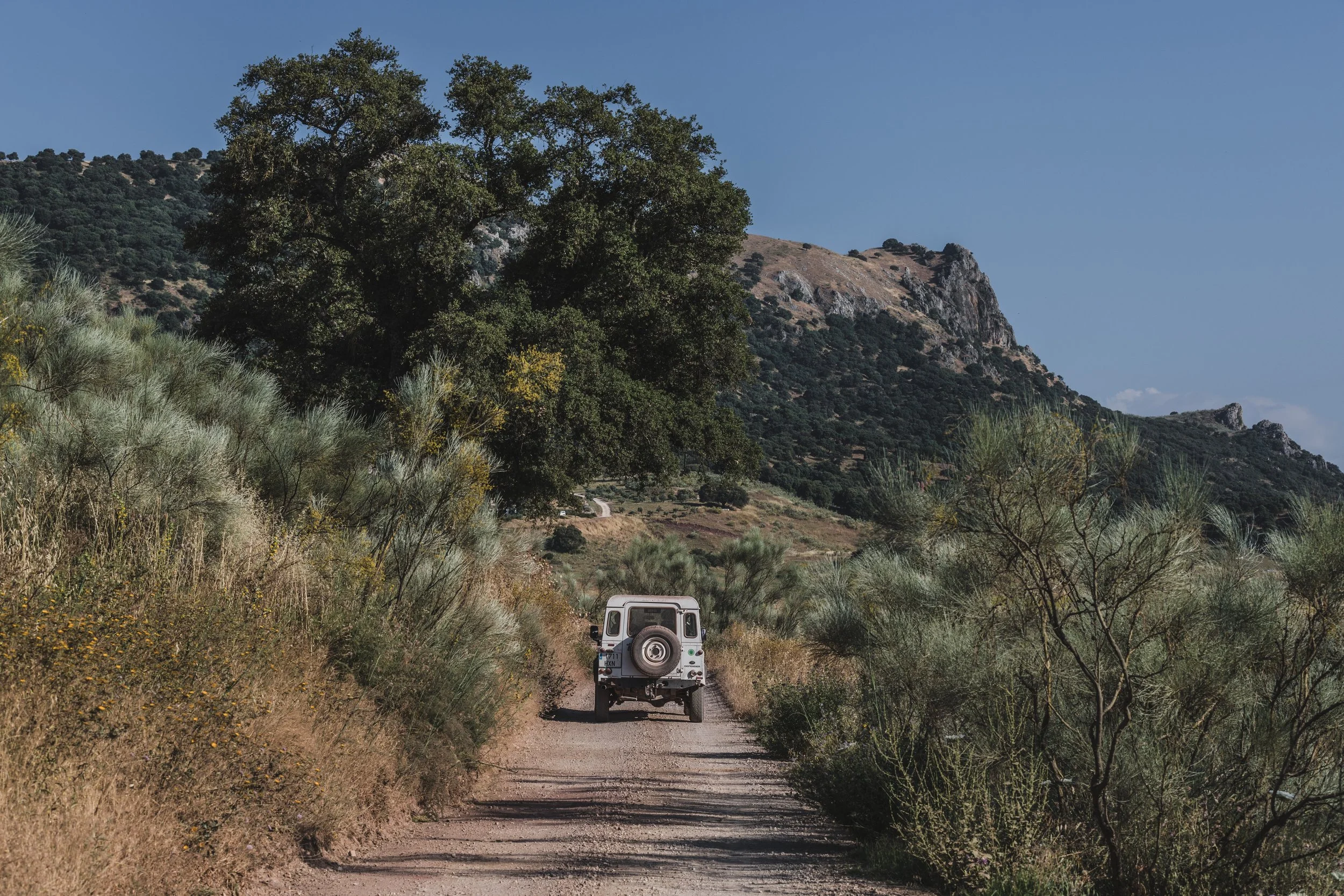
There is a particular kind of guest who leaves Finca La Donaira and says, almost always with mild surprise: I understood it.
Not just enjoyed it. Understood it.
That distinction matters more than almost anything we do here. A beautiful room in a beautiful place is easy to appreciate and easy to forget. But a place that reveals itself to you — that makes its logic legible, its layers visible, its reason for existing undeniable — that is the kind of place you carry home.
Curated experiences are how that happens. Not as amenities bolted onto a hotel stay, but as the actual vocabulary through which a regenerative farm and philosophy learns to speak to a guest.
When an Experience Is Also an Argument
Every property in the luxury travel space offers something to do. The question is whether what they offer means anything beyond the hour in which it happens.
At La Donaira, we think about our experiences as arguments. Each one makes a case. Not an aggressive case — a gentle, embodied one. The kind made through the hands, the nose, the sensation of soil under a boot.
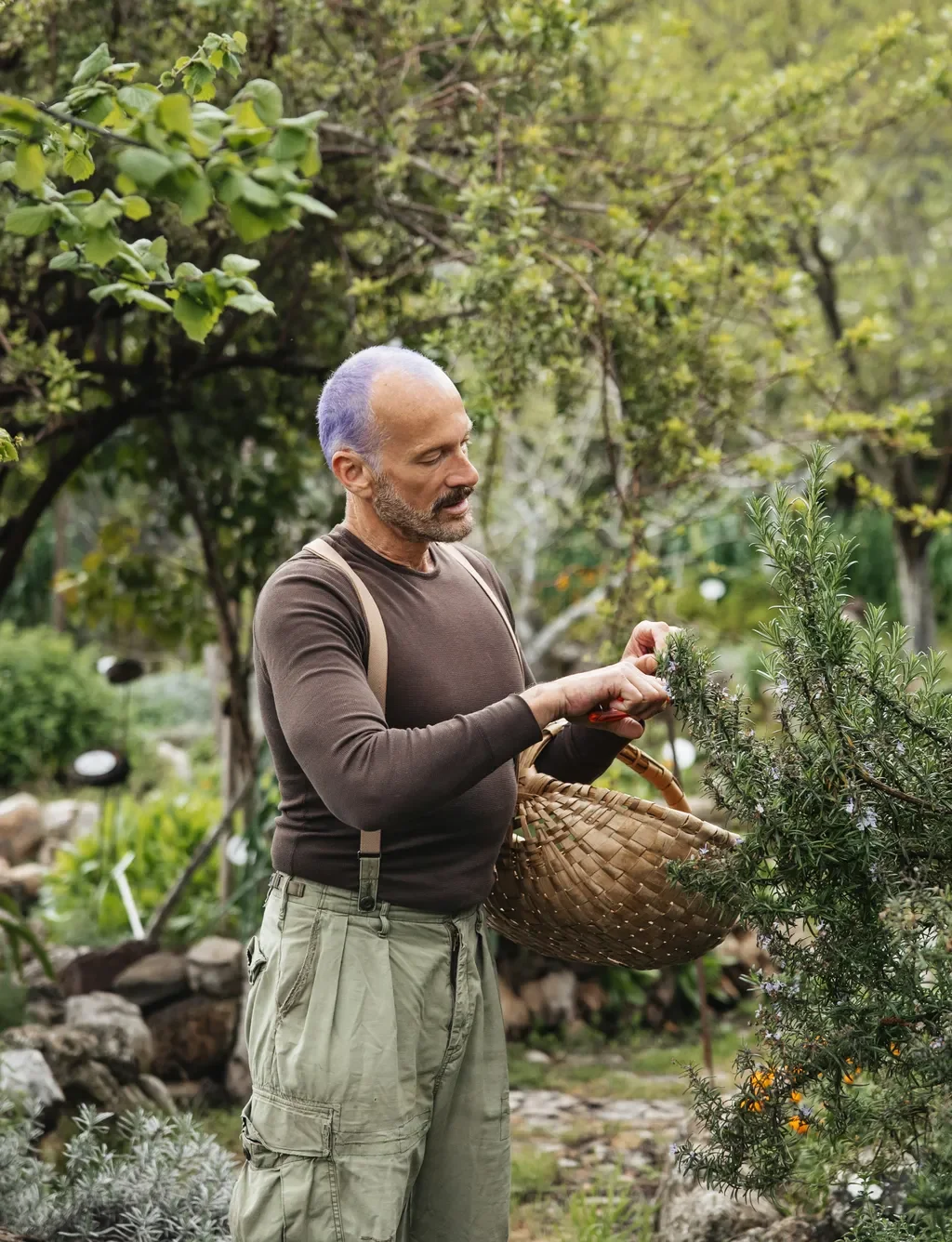
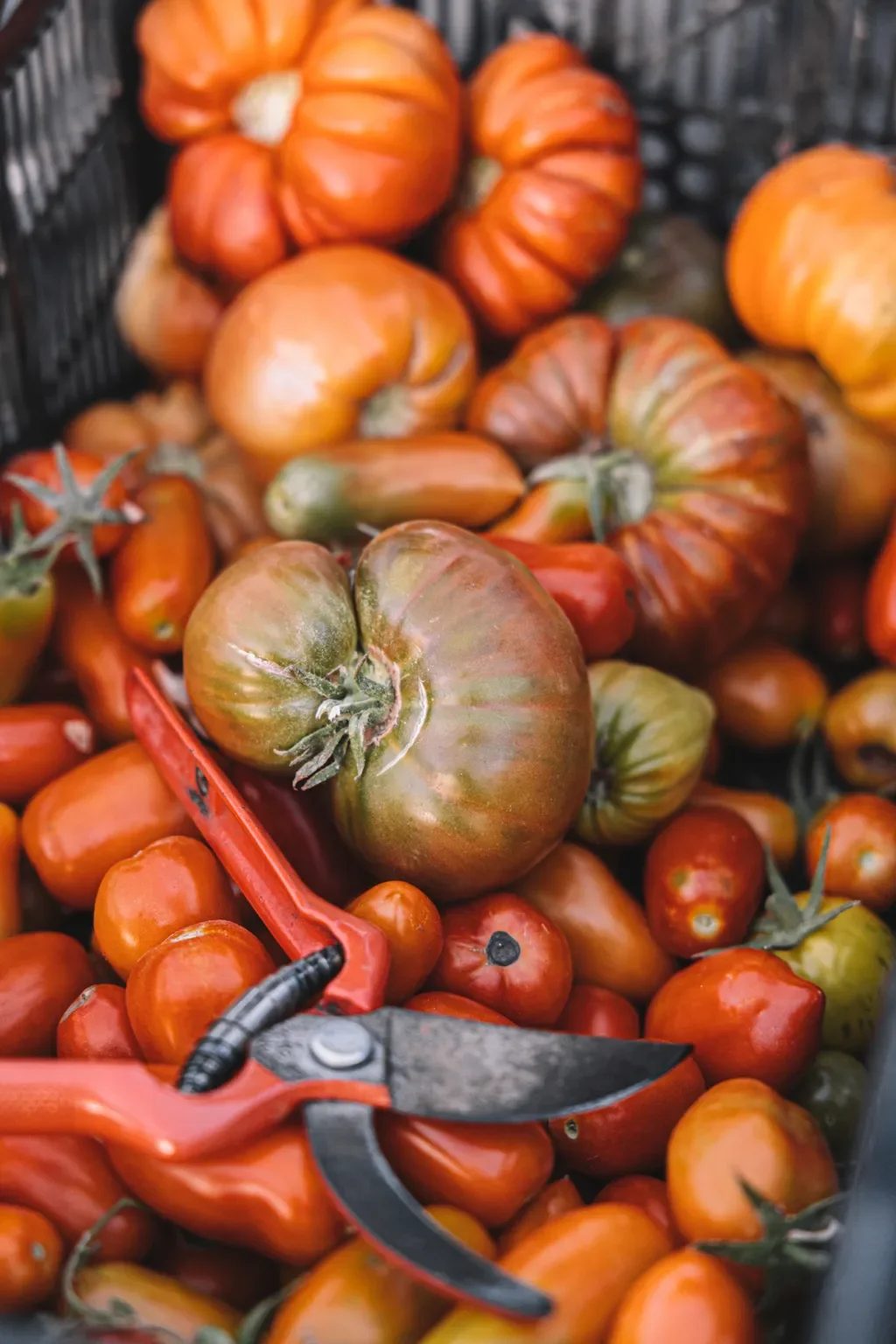
Take a morning in the kitchen garden with Gigi. On its surface: a walk among raised beds, a conversation about heirloom seeds, perhaps a basket of herbs carried back to the kitchen. But what the guest actually receives is a framework. Suddenly, dinner is not just excellent food. It is the direct consequence of a landscape decision made three seasons ago. The tomato that arrived whole and barely warm from the sun is a variety rescued from near-extinction. The seed-to-fork gastronomy of Manuel and Nerea is no longer a phrase on a menu — it is something the guest witnessed at its source.
One experience retroactively makes another one richer. That is the mechanism. That is what curation actually does.
The Logic of the Land as a Through-Line
La Donaira sits on 700 hectares in the Serranía de Ronda, one of the most ecologically complex landscapes in Andalusia. We have always believed this land is not a backdrop. It is the protagonist.
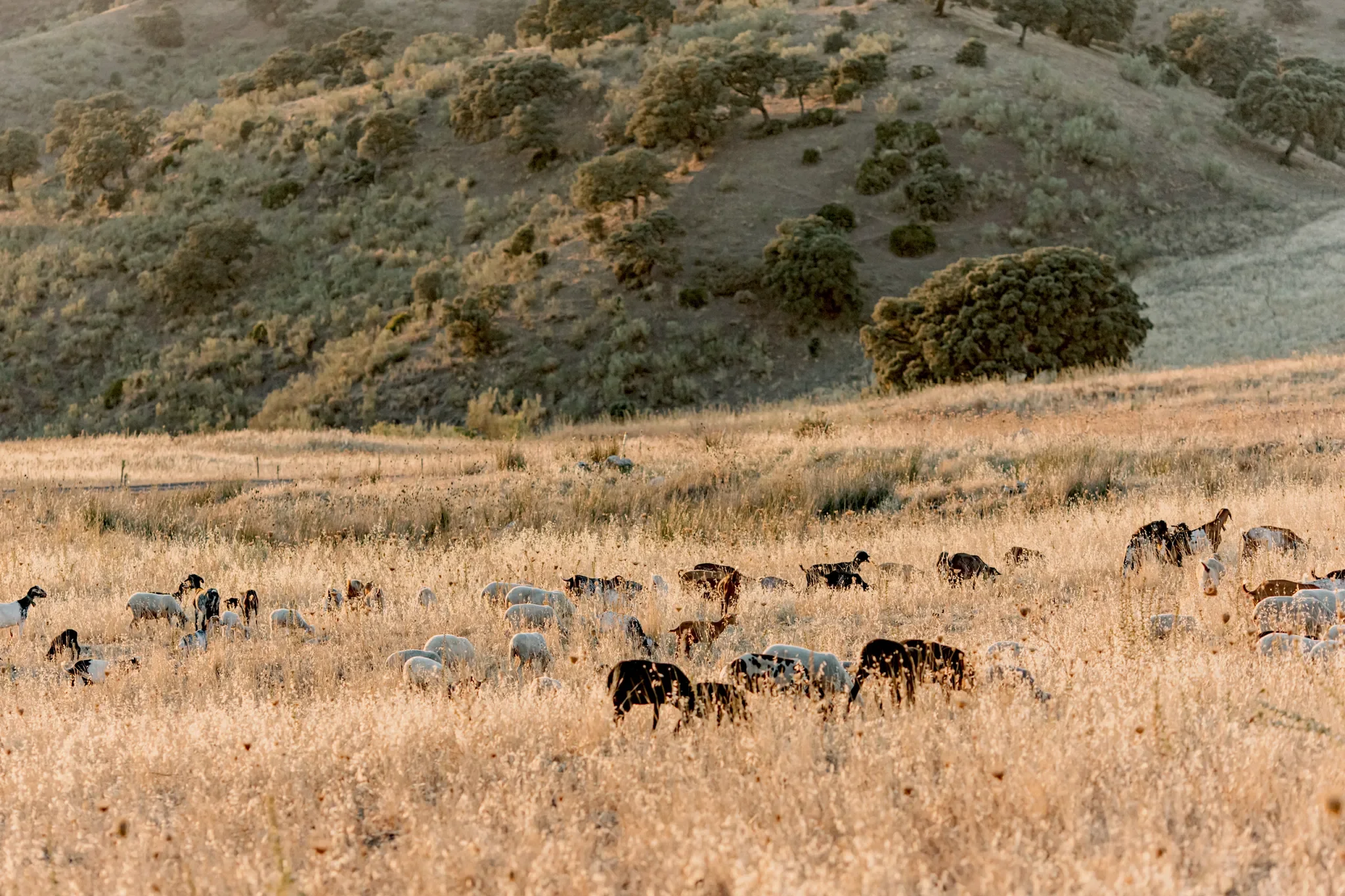
The challenge of designing experiences in a place like this is not scarcity — it is coherence.
There are horses, wine vines, medicinal plants, beehives, a spa, forests, a kitchen, a cellar. How do you arrange all of this so that a guest with four days absorbs not a list of features but a single idea?
The answer is sequencing and intentionality. An afternoon with Alfredo and the Lusitano horses is not just a riding lesson — it is an introduction to the same principle of non-coercion that runs through the farming philosophy. Trust built slowly, between species, between human beings and soil, between a property and its landscape. When a guest who spent Tuesday afternoon learning to communicate with a horse through weight and breath sits down Wednesday night to hear David describe how natural wines are made without intervention, something connects. They are hearing the same sentence in two different languages.
The experiences we design at La Donaira are not separate offerings. They are one idea, said many ways.
That pull quote is not marketing copy. It is the operational brief.
Specificity as Luxury
There is a tendency in luxury hospitality to design experiences that feel impressive in a brochure but generic in practice. A "foraging walk." A "mindfulness session." A "farm tour." These are categories, not experiences.
What makes an experience at La Donaira feel irreplaceable is that it could only happen here, and usually only with this person, on this day.
Juanjo does not give a beekeeping demonstration. He opens a hive and explains, slowly and without performance, what it means to keep bees in a landscape that is actively recovering its biodiversity. He talks about what the bees are finding this week compared to last spring. He mentions, without being asked, which wildflowers on the east slope came back after the dry summer. The honey the guest carries home from that afternoon is not a souvenir. It is evidence.
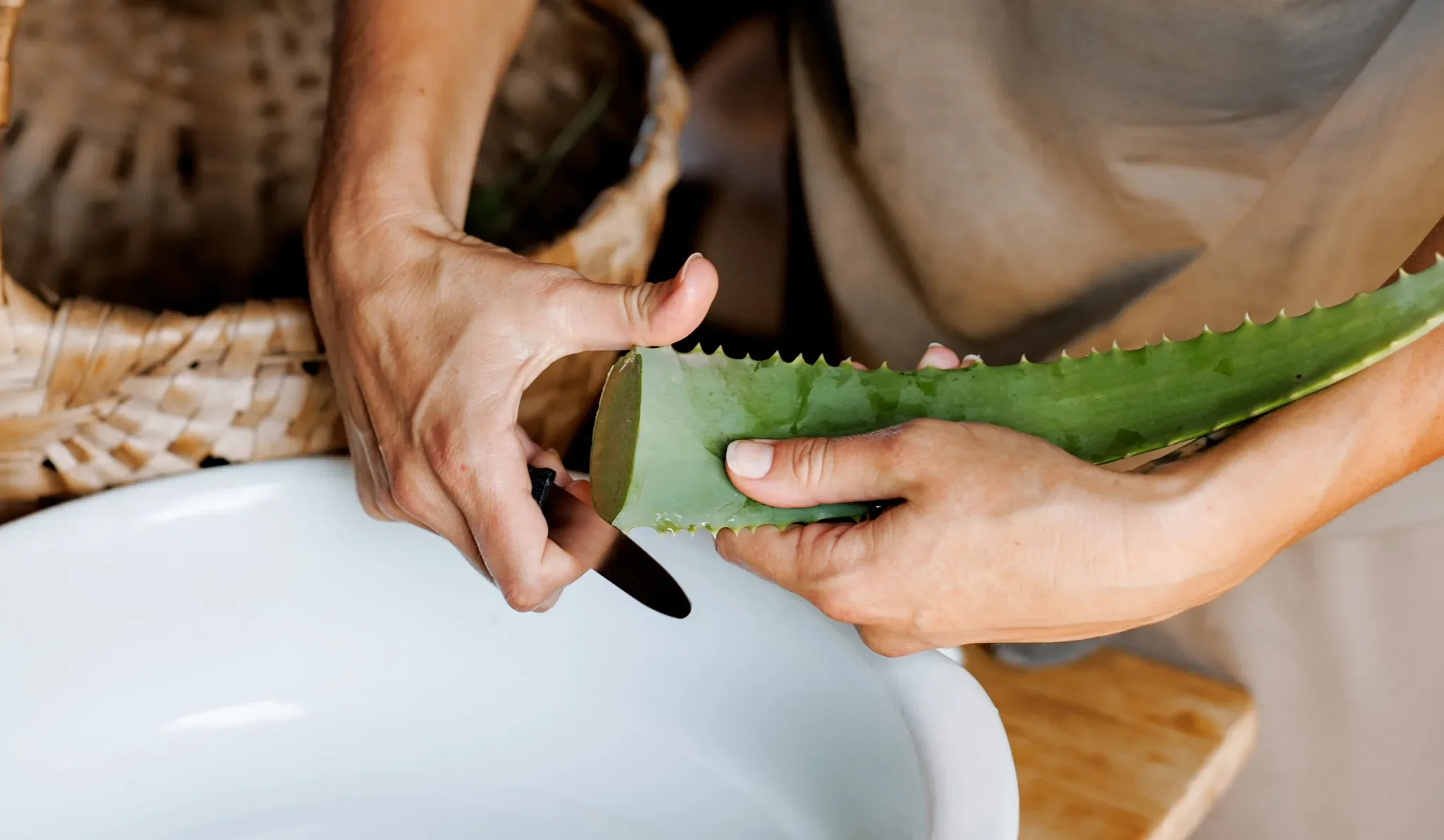
Paula at the spa curates the ingredients used in treatments from plants grown in the medicinal garden — the same garden visible from the cortijo (main house) windows. A guest who walks through that garden in the morning and receives a treatment in the afternoon has completed a loop. The lavender on their skin was ten meters away three hours ago. That proximity — that literalness — is what luxury looks like when it is earned rather than performed.
What This Means for the Design of a Stay
None of this happens by accident. The experiences at La Donaira are sequenced deliberately — not to fill a schedule, but to build understanding across days.
We tend to think about a stay in three movements. The first is arrival and orientation: a guest who has just driven into the Serranía de Ronda for the first time needs to understand where they are before they can absorb what is being offered. An early walk, a meal that introduces the kitchen's ethos, an unhurried conversation about the project.
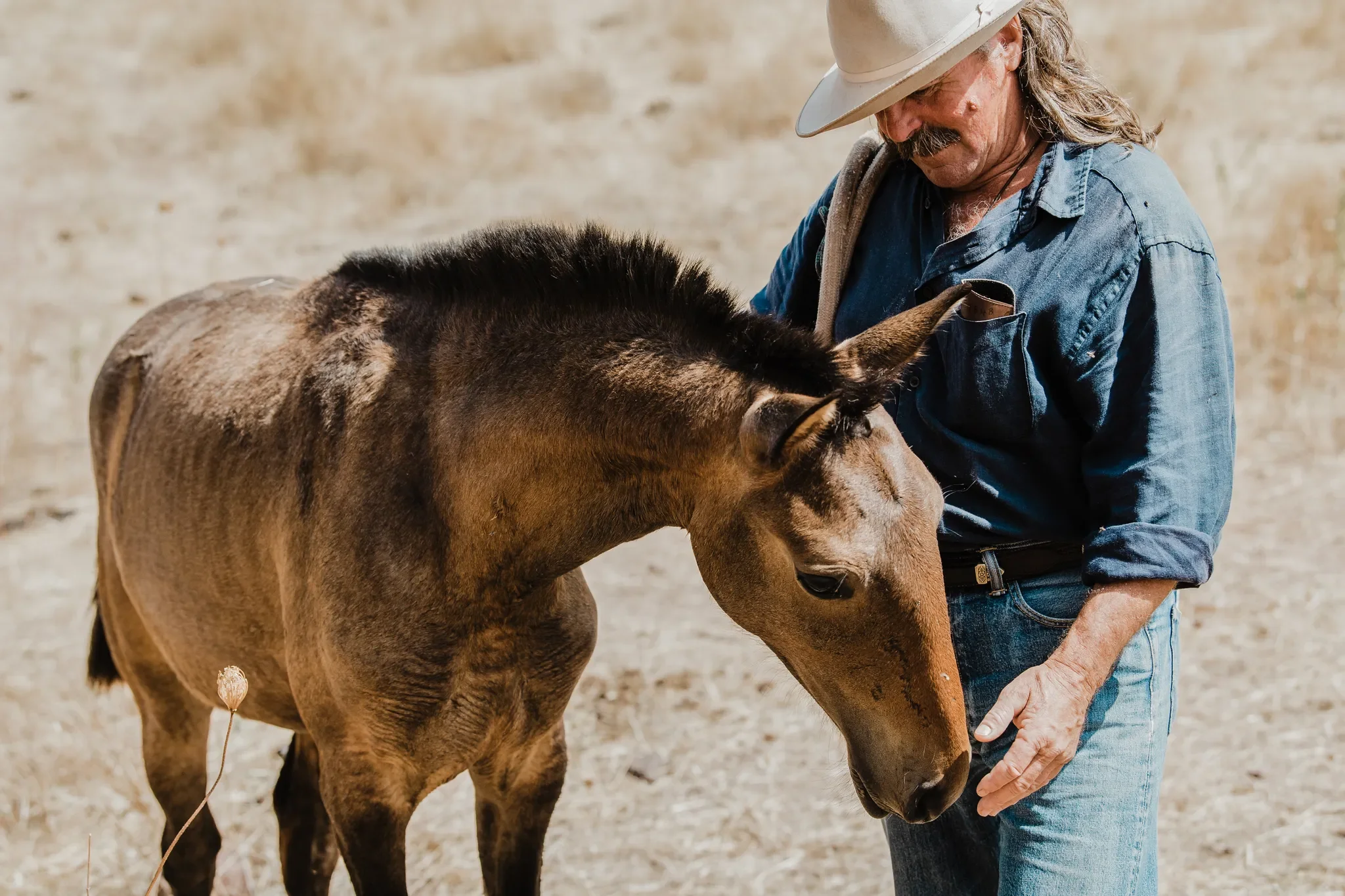
The second movement is immersion: this is where the signature experiences do their work. A horsemanship session. An afternoon with the goats or donkeys A morning harvest. Time with Verónica in a breathwork session that is, in its own way, a continuation of the land's offer of stillness.
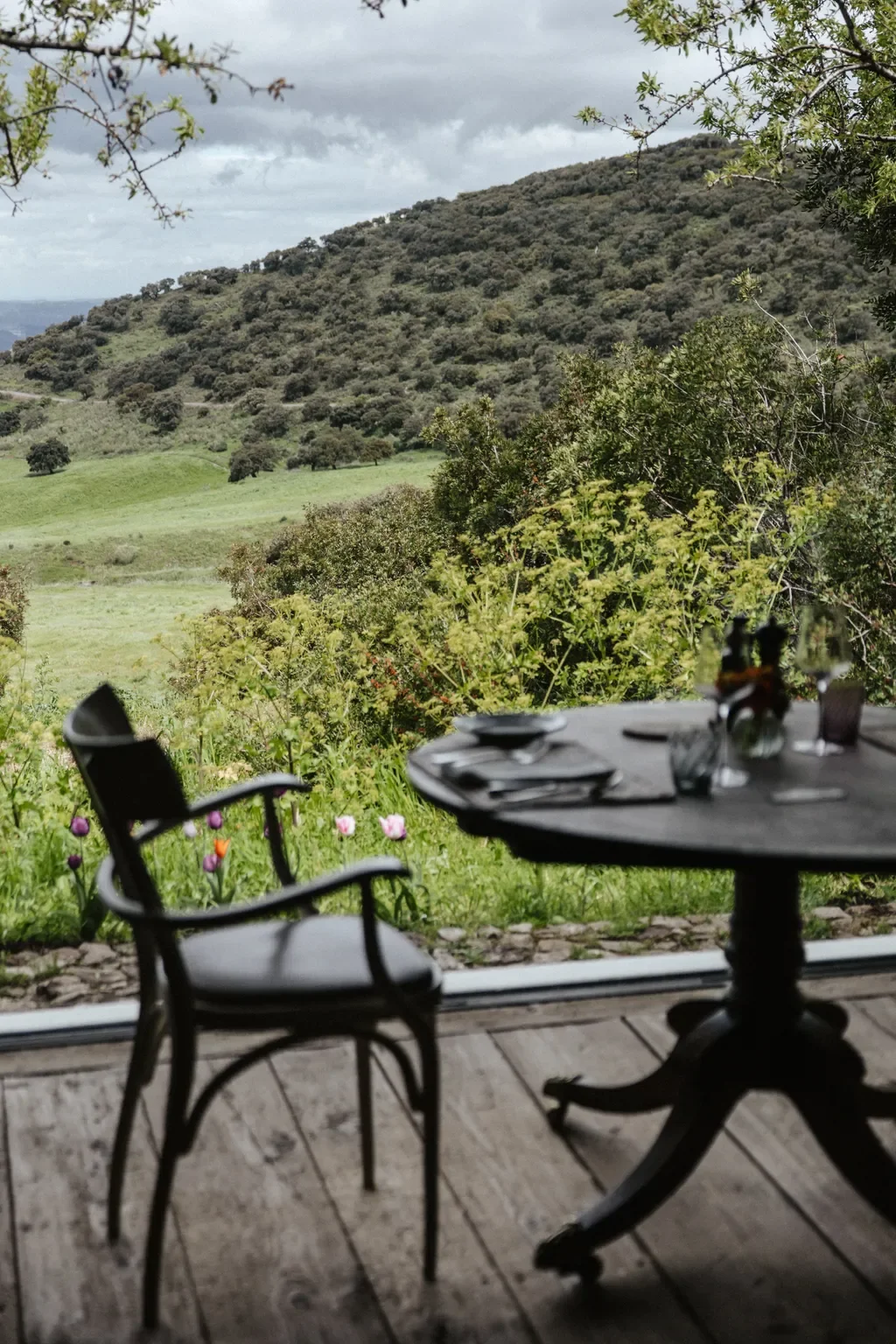
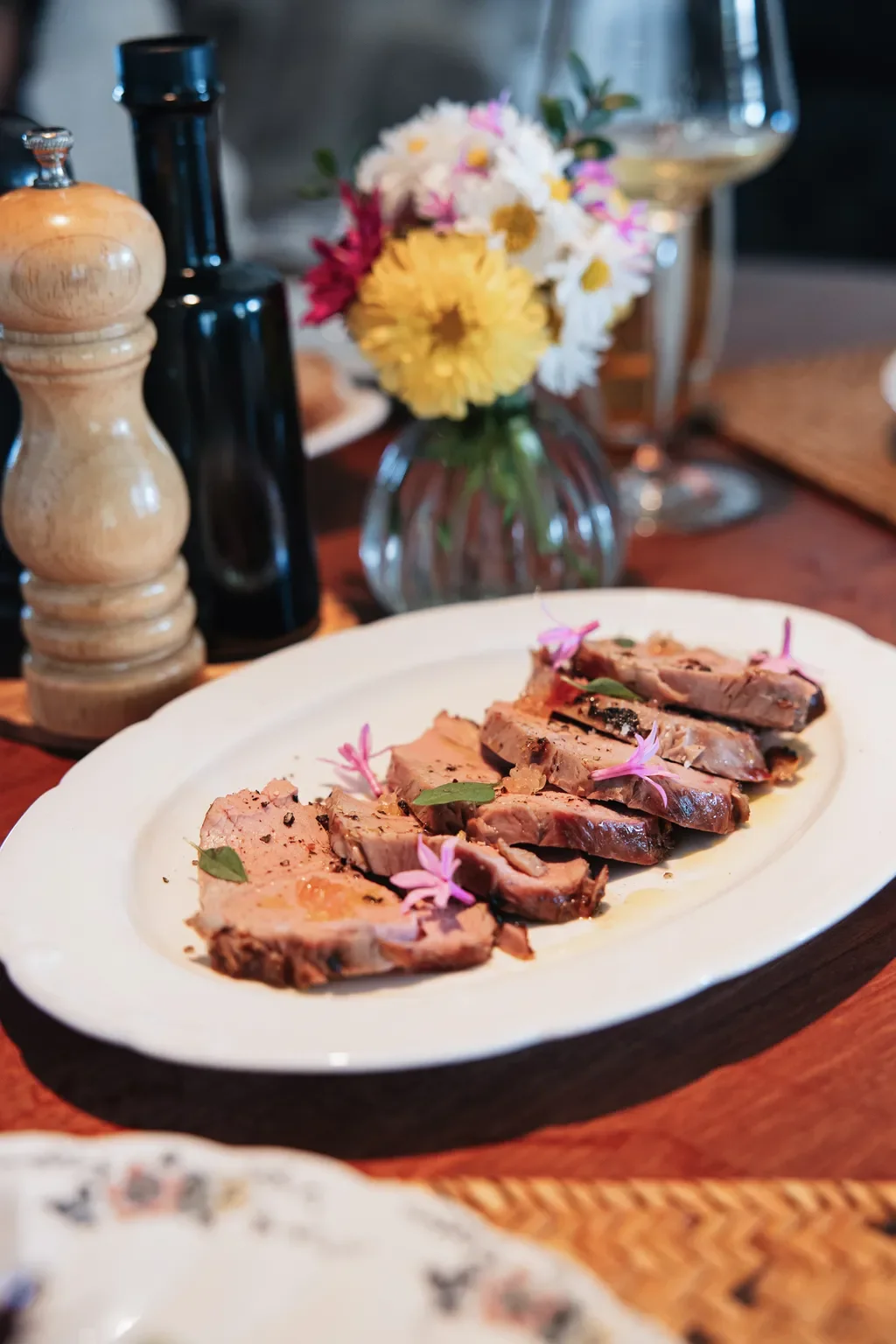
The third is integration — the moment, usually on the last evening, when something clicks. When a guest looks across the table at their partner and says, without quite being able to explain why: Oh, I get it now. They have tasted the wine made from rescued grapes on a farm that does not use herbicides, watched a horse learn to trust a stranger, torn into Paqui's sourdough and dipped it in olive oil pressed from trees that have been standing here longer than anyone can remember. The project has become legible.
That is what a curated experience is designed to do. Not to entertain. To explain. To make a place make sense in the body, not just the mind.
Plan your stay around the experiences that matter to you most. Write to us at reservations@ladonaira.com and we will design the sequence that suits your time with us.