Breathing to Cultivate Inner Sustainability
Before the World Gets In
From the moment we are born, we breathe naturally—and although it may be hard to believe, consciously. Babies have an innate ability to breathe deeply and rhythmically, and adults often find themselves in awe while observing how their tiny bodies radiate peace and stop time with this simple act.
Mindfulness experts like Jon Kabat-Zinn explain that young children live in a more natural state of present-moment awareness. Around the age of five, however, we begin to forget this essential part of life. We encounter stress, emotional tension, social conditioning… and we start breathing in a shallow, unconscious way.
The Unlearning
We have forgotten, and now we must remember in order to heal. What once seemed like a simple act is now limiting the oxygen in our bodies and disrupting our nervous system. It is time to reconnect with our body through deep, rhythmic breathing that activates the parasympathetic nervous system—the one responsible for rest, repair, and relaxation.
The Body Remembers What the Mind Ignores
The conscious practice of controlled breathing is an ancient technique that is gaining renewed relevance in the wellness world for its extraordinary ability to restore balance between body, mind, and spirit. Breathwork offers specific breathing patterns that help us access deep states of relaxation, mental clarity, and spiritual connection. With roots in traditions such as yoga, Taoism, and shamanism, it has been practiced for centuries as a path to inner harmony.
In a world where stress, anxiety, and burnout have become part of daily life, learning to breathe properly is, in itself, a revolutionary act. This gateway to holistic wellbeing brings numerous benefits: reduced stress and anxiety, improved sleep and digestion, increased energy and concentration, emotional and mental release, a stronger immune system, and certainly, greater clarity and inner balance.
Further Than You Expect
When we become aware of our condition, we realize that to breathe is to remember. For me, breathwork is not just a physical experience—like what we might feel during sports, Pilates, or yoga—it is fundamentally emotional, and often deeply spiritual. I see how conscious breathing can unlock memories, release stored tension and repressed emotions, and lead to moments of profound insight and inner peace. This process is part of its healing power, but it is essential to be guided by a trained professional who can support different emotional states. As a clinical psychologist and certified breathwork therapist, I believe this method should always be holistic—taking into account the physical, emotional, mental, and spiritual dimensions of each person.
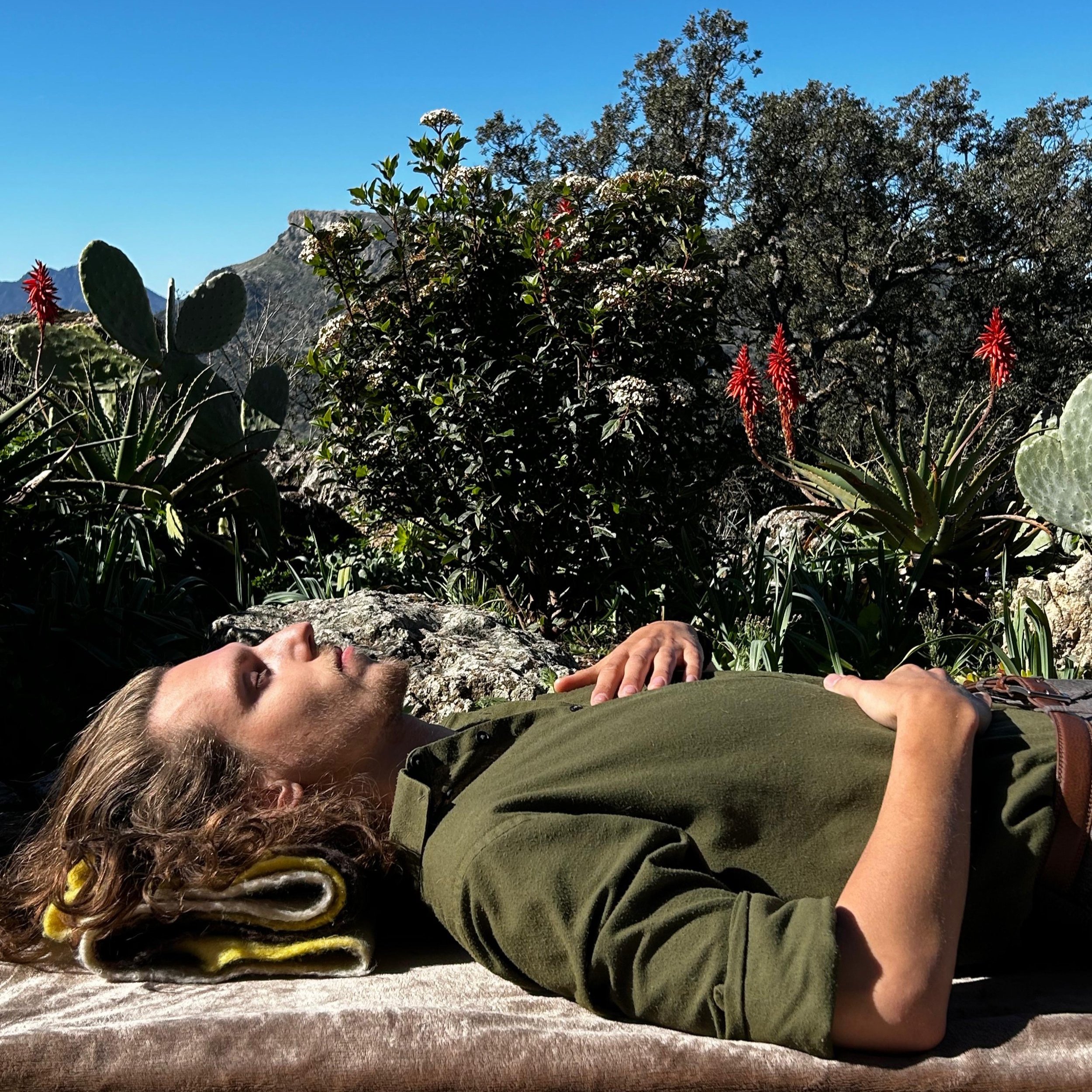
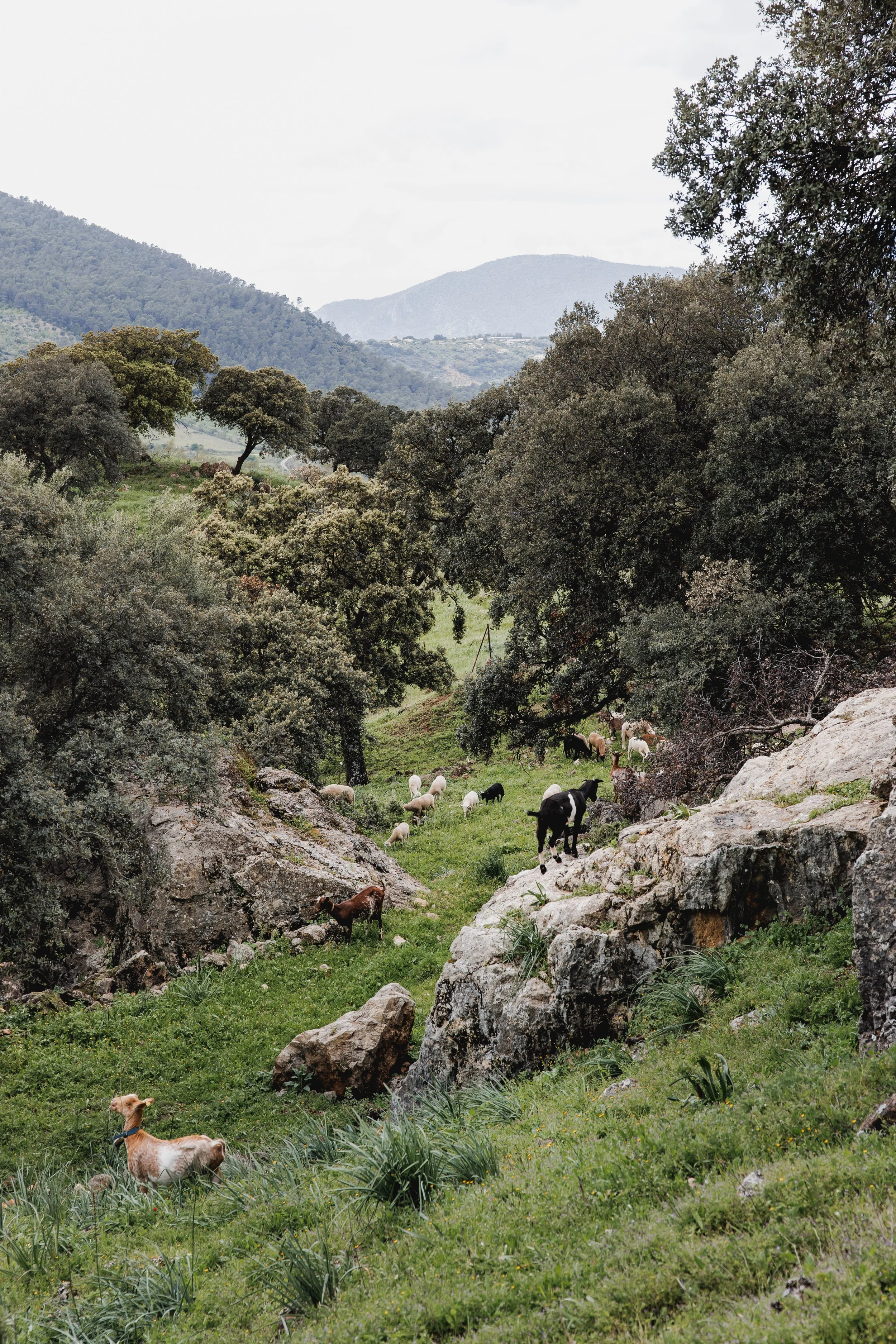
Every session is unique. Some people experience deep rest, others emotional release, and some even report visions or revelations. The most important thing is to surrender to the process without judgment or expectation, allowing the breath to guide the way. We have also observed that being immersed in nature greatly facilitates the integration process—here, nestled in the hills above Ronda, where the landscape itself seems to hold space for this kind of work—and that comprehensive care is nurtured through nourishing food, mindful drinking, and deep connection with the surrounding environment.
Through the regenerative practices of this wellness retreat in Andalusia, we aim to live in harmony with the Earth—and now we are also aware that we can cultivate a form of inner sustainability.
BREATHE DEEPER AT LA DONAIRA
Private breathwork sessions with Verónica Sánchez, clinical psychologist and certified therapist, are available during your stay. Each session is tailored to you — whether you're seeking rest, emotional release, or simply a new way of arriving in your body.
To arrange a session or enquire about availability, contact us at reservations@ladonaira.com